
Two Forms of Marriage
CEO's Beloved Honey GirlThis flow contrasts marriages built on possession with relationships built on mutual steadiness and asks what a sustainable union requires.
increasing Bearing strength in each event
 decreasing
Bearing strength in each eventdecreasingThe Contract Form
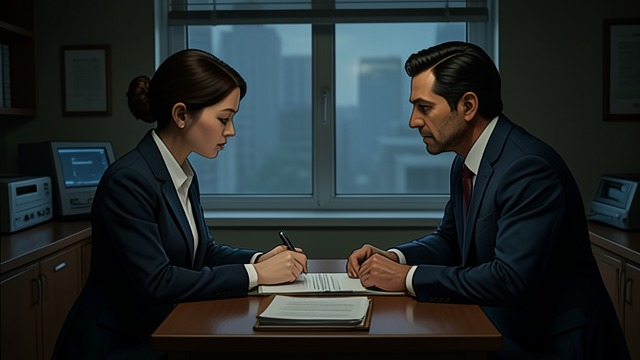
Marriage as Transaction
Terms
Su Xiangcheng and Lu Xun marry through a financial arrangement. Their union begins with explicit exchange rather than romantic certainty.
The problem
The contract gives structure but not trust. The story must discover whether a transaction can grow into companionship.
The Violent Form
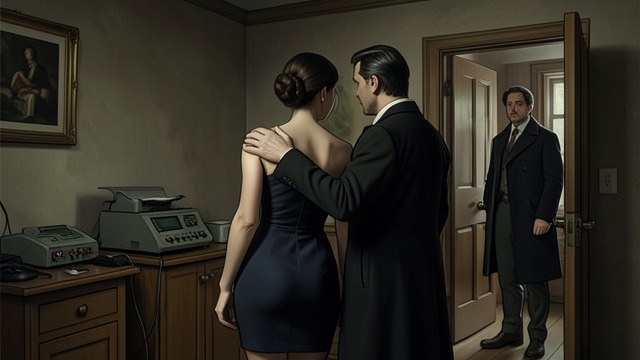
Marriage as Ownership
Coercion
Lin Yanche treats marriage as permission to confine and force Su Qingrou. The relationship has no meaningful space for refusal.
Contrast
His conduct clarifies what Lu Xun must not become, even when Lu Xun’s own possessiveness approaches the same danger.
The Steady Form
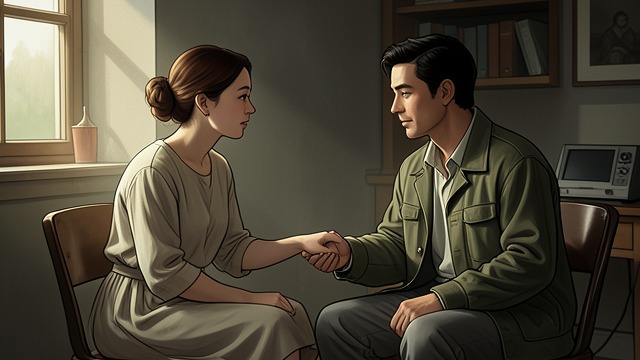
Marriage as Companionship
Patience
Jin Zhengnan offers Su Qingrou care without demanding that she erase her past immediately.
A possible model
His relationship represents marriage as mutual shelter rather than dramatic conquest. It is quieter and therefore easier to underestimate.
The Family Debate
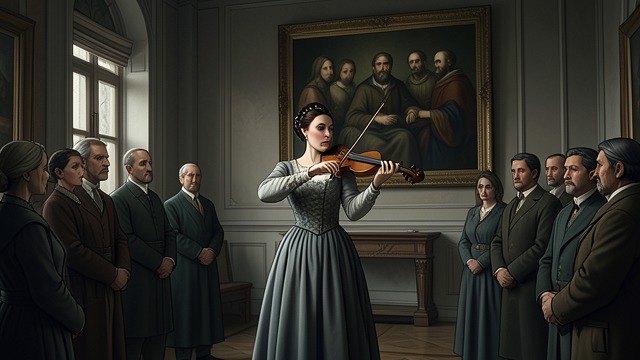
Public Legitimacy
Family expectations
The Lu family treats marriage as a social and familial institution, asking about children, gifts, and public performance.
Su Xiangcheng's place
She must negotiate being celebrated as a wife without becoming an ornament. Her musical performance turns marital status into personal achievement.
The Chosen Form
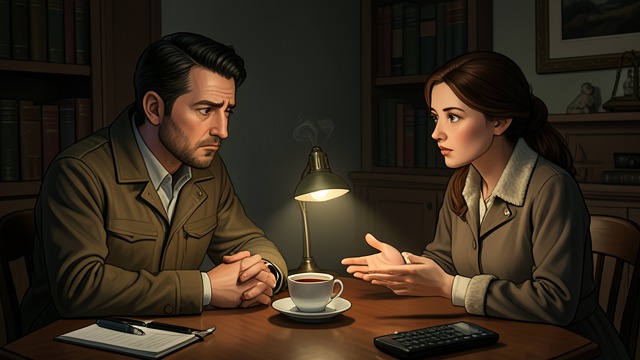
A Marriage Still Becoming
Mutual adjustment
Lu Xun learns to apologize and ask, while Su Xiangcheng learns to disclose fear rather than weaponize disappearance.
No perfect resolution
Their marriage is not free of control or jealousy. It becomes sustainable only because both begin treating it as a daily choice rather than a completed victory.
at the beginning of the story
during Su Qingrou's imprisonment
after Jin Zhengnan supports Su Qingrou
during Lu Family Birthday Banquet
near the ending
